
Program · Species conservation
The Tala Orchid
We protect the tala orchid, an endangered native species growing on the Lo de Urriza grounds, in its natural habitat, and we work closely with INTA researcher Marcela Sánchez on its monitoring and conservation.
Working with INTA
Science and conservation, hand in hand
Fundación Nocedal works closely with Marcela Sánchez, a researcher at the "Arturo E. Ragonese" Botanic Garden of INTA's Institute of Biological Resources (Hurlingham), a leading specialist in the study and conservation of the native orchids of Buenos Aires and southern Entre Ríos.
Since 2015 the Botanic Garden has coordinated a conservation network for the participatory monitoring of native orchids, which now covers the whole of Buenos Aires Province and southern Entre Ríos. It brings together public and private protected areas, botanic gardens, public sites and private properties in urban, peri-urban and rural settings.
What began on a smaller scale, among a small group of specialists and enthusiasts sharing records and identifying species, grew into a monitoring protocol, a network of sites and a line of work within INTA research projects. The presence of the tala orchid at Lo de Urriza makes the grounds a valuable site for this work: in coordination with the research, we monitor and protect the plants in their natural habitat.
Network timeline
- 2015At the 2nd River Plate Native Flora Meeting (INTA AMBA station, Ituzaingó), the Botanic Garden proposes the participatory orchid conservation project.
- 2013–2023The work becomes part of INTA projects: PE 1106092 (2013–2019), PE-I140 on breeding native and exotic ornamental, aromatic and medicinal plants, and PD-I038 on assessing, monitoring and managing biodiversity in farming and forestry systems (2019–2023).
- 2020The "Monitoring Protocol for the Participatory Conservation of Orchids of Buenos Aires and Southern Entre Ríos" is published and the long-term citizen science project begins.
- 2021–2023Training workshops at Ciervo de los Pantanos National Park (Otamendi), Pilar Nature Reserve, Las Piedras Municipal Reserve (Gualeguaychú) and Ing. Maschwitz Reserve (Escobar), among others.
- 2022The experience is presented at the 7th Global Botanic Gardens Congress in Melbourne.
- 2023Sánchez and Kato present the results at the 39th Argentine Botany Meeting in Catamarca.
Research goals
What the project aims to do
The project runs in the Buenos Aires metropolitan region, the most populated in the country and with heavily modified habitats, and has expanded to the rest of the province and southern Entre Ríos.
Geo-reference
Locate and record wild native orchid populations with coordinates.
Record
Build a database and a photographic archive for every site and species.
Map
Produce up-to-date distribution maps for the region.
Assess
Determine the conservation status of each species.
Monitor
Follow populations over time with a shared protocol.
Propagate
Develop propagation protocols to reintroduce and reinforce populations, or as an ornamental and cut-flower crop.
Protect
Support the creation of new private and municipal protected areas that complement national and provincial parks.
Educate
Use participatory surveys as a tool for awareness and citizen science.
The species
A fragile gem of the pampas
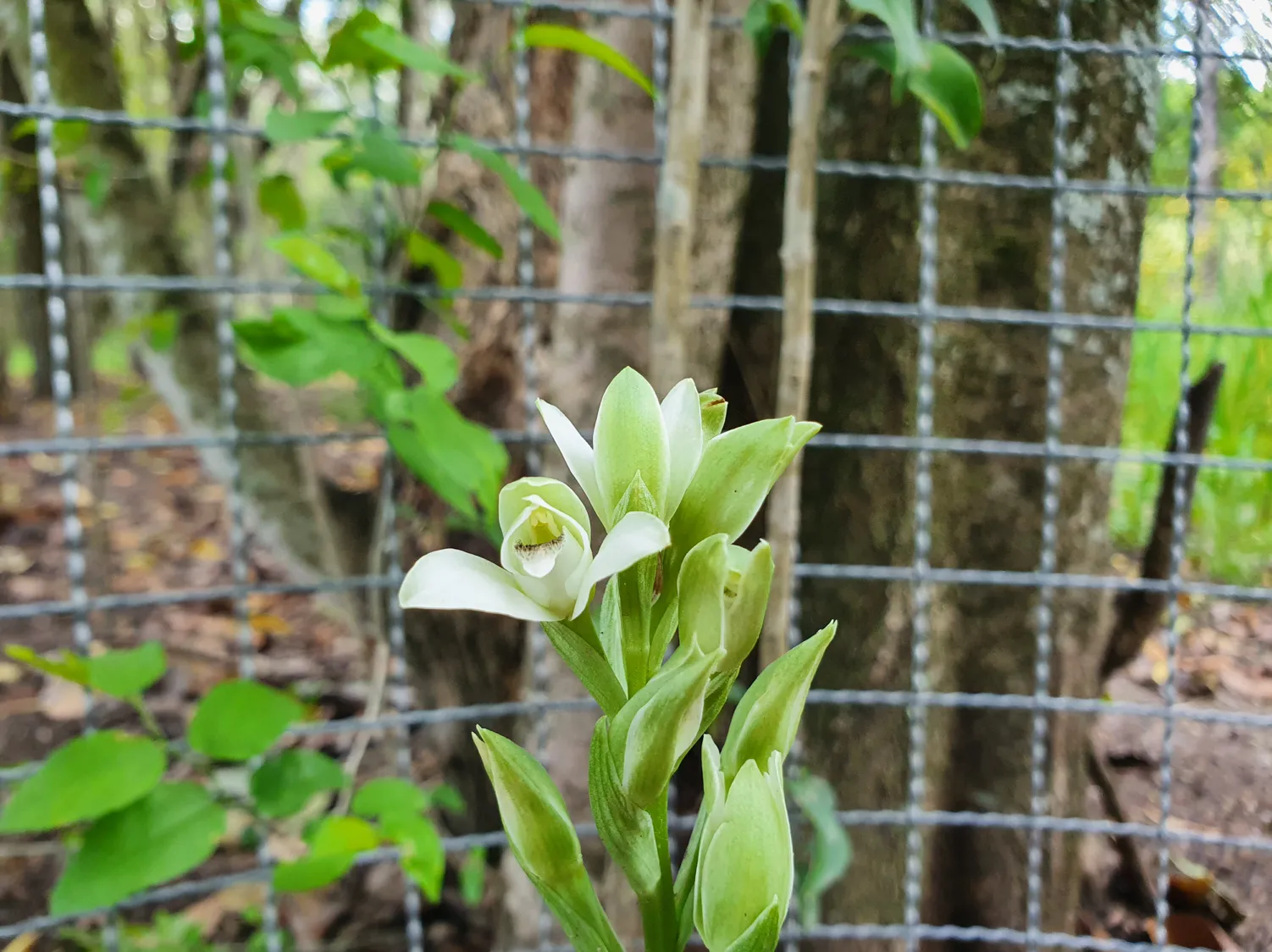
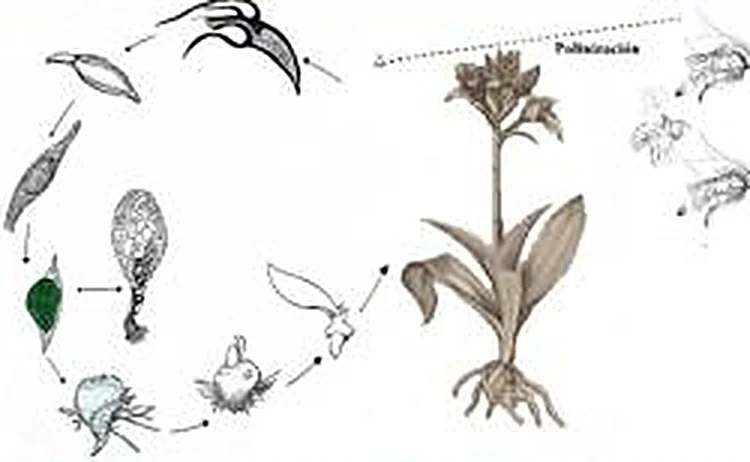
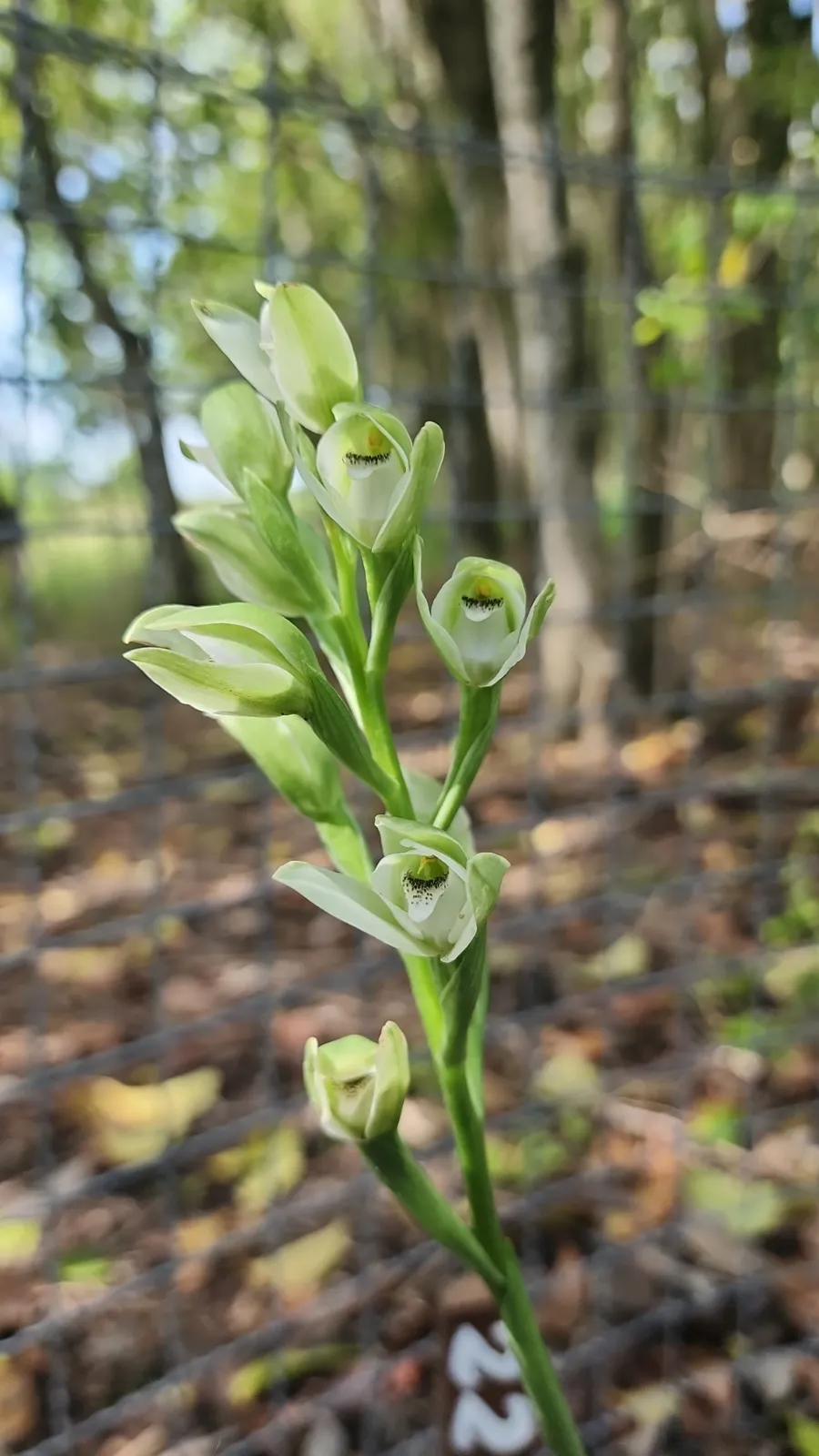
The tala orchid (Chloraea membranacea) is a terrestrial orchid native to the River Plate region. It flowers from September to December, with stems of white and green flowers, and fruits from November to February.
Like all orchids, its tiny seeds can only germinate with nutrients supplied by a symbiotic relationship with soil fungi called mycorrhizae. That makes it rare, very restricted in range, and growing it is not enough: the whole habitat where it lives, the tala woodland, has to be protected.
Orchids are indicators of environmental health. Because of their rarity and conservation value they are "flagship" or "umbrella" species, the "pandas of the plant kingdom": protecting them protects the whole ecosystem they live in and supports its inclusion in future biological corridors and activities such as ecotourism.
What we do at Lo de Urriza
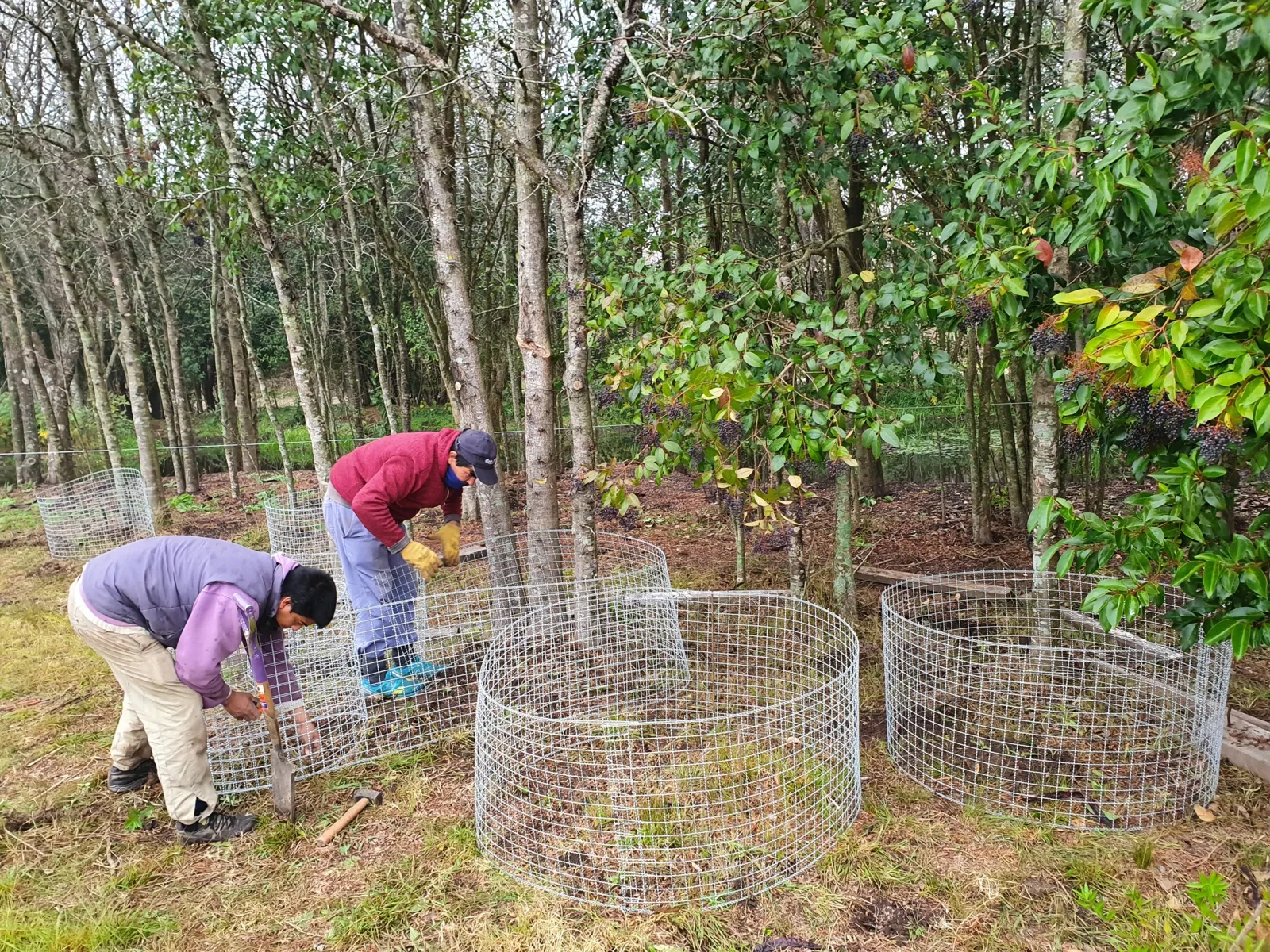
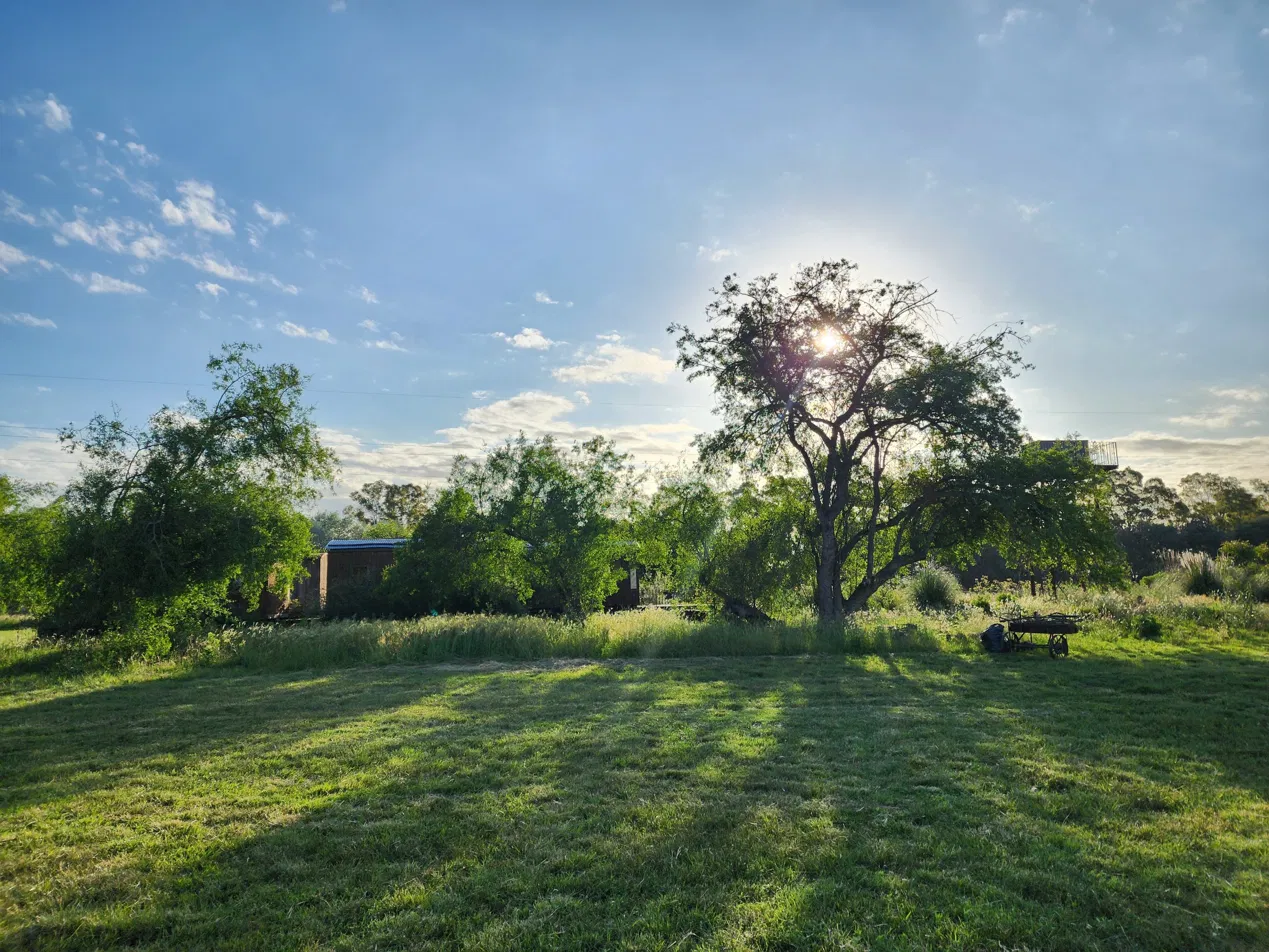
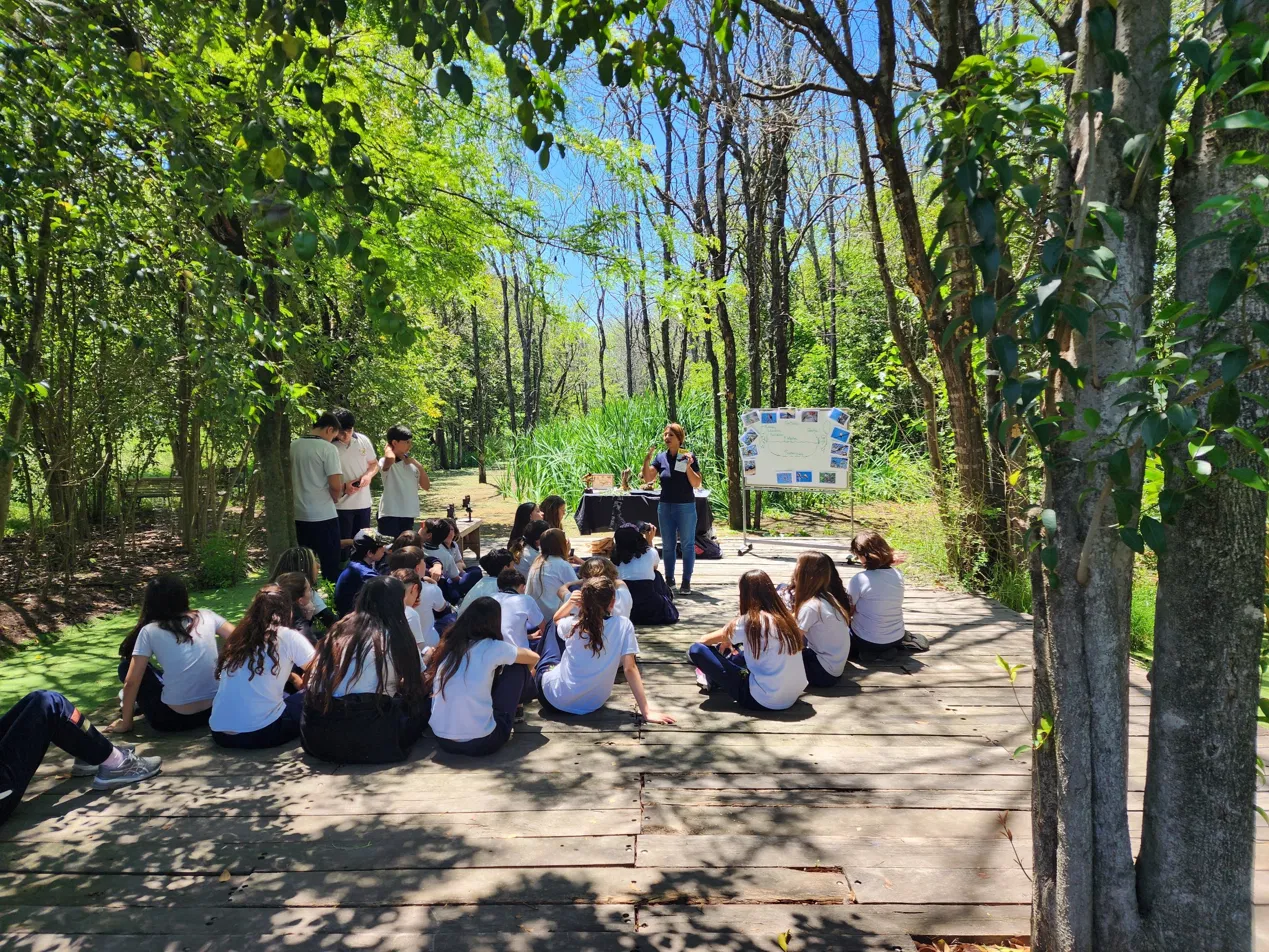
We monitor more than 70 plants on the grounds. Each one is tagged and protected with a mesh, and every season we record when it sprouts, flowers and fruits. We protect the tala woodland and grassland that are their home, and include the orchid in our educational visits.
Results
What the network has achieved
The River Plate region, the most densely populated in the Southern Cone, is home to 13 genera and 36 species of native orchids. Some survive only in historical records because their habitats were destroyed by urban growth or farming.
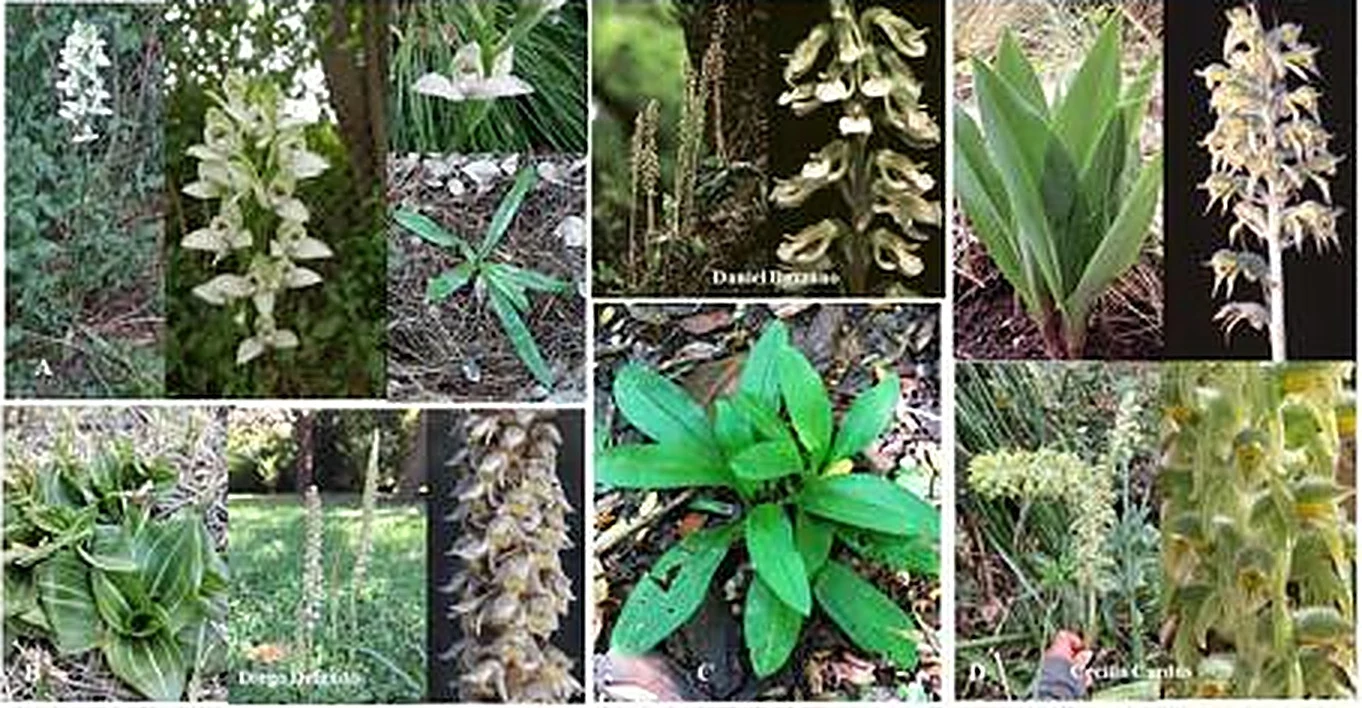
Of the 18 species recorded for the network area, 4 are monitored: the tala orchid (Chloraea membranacea), the most frequent, along with Brachystele camporum, Cyclopogon elatus and Pelexia bonariensis.
The presence of wild orchids has raised the profile of municipal reserves such as Lago Lugano (Buenos Aires City), Hurlingham, Ing. Maschwitz, Ituzaingó, Morón, Los Robles (Moreno), Pilar and Vuelta de Obligado (San Pedro), as well as private and public sites now being proposed as protected areas.
The main challenge is keeping data collection going over the long term, beyond participants' initial enthusiasm. That is why the commitment of sites like Lo de Urriza, with steady monitoring, is key to the research.
Source
Sánchez, M. I. & Kato, A. E. "Challenges and opportunities of citizen science: the participatory monitoring of native orchids in Buenos Aires and southern Entre Ríos". "Arturo E. Ragonese" Botanic Garden and Floriculture Institute, CIRN, CNIA, INTA. 39th Argentine Botany Meeting, Catamarca, 2023.
Gallery
The orchid and its woodland
Help us protect the tala orchid
Your gift supports plant monitoring, protection of the tala woodland and educational visits.